
Morocco is one of those countries that is much easier to enjoy when you know what to expect before you arrive.
I’ve been living in Morocco since 2023 and have traveled extensively around the country. As a result, I’ve learned a lot through both experience and making plenty of mistakes myself.
So, before you book your riad and start packing your bags, here are 27 Morocco travel tips I think every first-time visitor should know.
I’m including practical advice about money, transportation, clothing, food, safety, Moroccan culture, Marrakech, and all the little things that can make your trip easier. Let’s get to it and let the travel planning begin!!!
This post may contain affiliate links. Please see my disclosure for more information. As an Amazon Associate, I earn a small commission from qualifying purchases.
Table of Contents
Morocco Travel Tips at a Glance
| Before You Go | What to Know |
| 🗓️ Itinerary | Plan a loose itinerary and don’t cram too many destinations into one trip. |
| 👗 What to wear | Dress comfortably and respectfully, particularly outside tourist areas. |
| ☀️ Weather | Morocco can be extremely sunny and hot, so bring sunscreen and water. |
| 💰 Money | Carry Moroccan dirhams; cards aren’t accepted everywhere. |
| 🚆 Transportation | Trains and buses connect many popular destinations, but travel times can add up. |
| 🕌 Culture | Morocco is a Muslim-majority country, so be aware of local customs and etiquette. |
| 🍷 Alcohol | Alcohol is available in many tourist-oriented hotels, restaurants, and bars, but not everywhere. |
| 📱 Internet & maps | Download offline maps and keep your accommodation information accessible. |
| 🧖 Accommodation | Staying in a traditional riad can be part of the Moroccan experience. |
| 🌙 Ramadan | Daily schedules, restaurant hours, and the overall rhythm of the country can change during Ramadan, |
Want the details? Keep reading for all 27 Morocco travel tips, including what I’ve learned from living and traveling around Morocco since 2023.
Before You Go
1. Plan a Loose Itinerary and Be Flexible

One of my biggest Morocco travel tips is not to try to cram too much into your trip.
Morocco may look relatively small on a map, but getting from one destination to the next can take longer than you might expect.
If you try to squeeze Marrakech, Fes, Chefchaouen, the Sahara and Essaouira into one week, you’re going to spend a lot of your vacation sitting in cars, buses and trains.
Instead, choose a few destinations and give yourself enough time to actually enjoy them.
For example, a first trip could focus on:
- Tangier + Chefchaouen + Fes
I also recommend building some flexibility into your schedule. You may want to spend an extra afternoon wandering around a medina, linger over a long lunch, take a spontaneous day trip, or simply just chill and enjoy a slower day.
At the same time, don’t arrive with absolutely no plan. It’s worth deciding ahead of time which cities you want to visit, how many nights you’ll spend in each, and how you’ll get between them.
My advice: Plan the skeleton of your Morocco trip, but leave some room for spontaneity.
- Marrakech + Essaouira
- Marrakech + the Sahara Desert + Fes
- Marrakech + Fes + Chefchaouen
- Tangier + Chefchaouen + Fes
2. Dress for the Weather and Culture

You don’t need to completely change the way you dress when visiting Morocco, but I recommend dressing a little more conservatively than you might in some other destinations.
Morocco is a Muslim-majority country, and while you’ll see plenty of tourists wearing shorts, tank tops and other typical vacation clothes, expectations can be different in rural areas and more traditional neighborhoods.
For most of your trip, I’d pack:
- Maxi skirts or longer dresses
- T-shirts and breathable tops
- A lightweight scarf or shawl
- Comfortable walking shoes
- A light jacket or sweater for cooler evenings
You don’t need to cover your hair as a general rule when traveling around Morocco. However, if you’re visiting a mosque or another religious site where covering is expected, follow the site’s specific guidelines.
In general, though, most mosques are not open to non-Muslims so don’t worry about this too much.
And don’t stress about getting this perfect. You’re a tourist, and you’ll see a wide range of clothing in popular destinations.
My general rule is simple: dress for the weather, but be a little more conservative when you’re away from major tourist areas. Also, save the bikini for your riad.
A practical tip for women: A lightweight scarf is one of the most useful things you can throw in your bag. It takes up almost no space and can be used as a cover-up, sun protection, or an extra layer when you’re visiting a more conservative place.
3. Don’t Underestimate the Sun
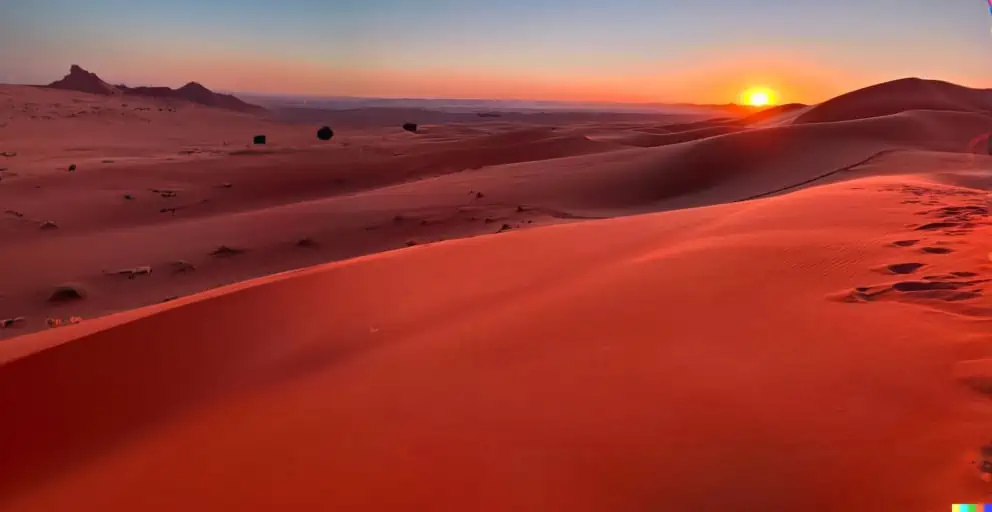
Even if it doesn’t feel super hot, the Moroccan sun can be intense. If you’re spending hours walking through the medina, exploring ruins, or taking a day trip, it’s easy to end up with a nasty sunburn or to become dehydrated without realizing it.
I recommend packing:
- Lightweight, breathable clothing
- High-SPF sunscreen
- Sunglasses
- A hat
- A reusable water bottle
And, yes, you should actually use the sunscreen. Not just leave it hanging out in your bag 😅
If you’re visiting during the hotter months, try to plan your sightseeing around the heat. Get out early, take a break during the hottest part of the afternoon, and head back out in the late afternoon or evening.
This is particularly important in places like Marrakech, where you can spend hours walking around with very little shade.
My advice: Don’t wait until you’re thirsty or sunburned to take a break. Drink water regularly, seek shade when you can, and give yourself permission to slow down.
Planning 7 Days in Morocco? Start Here.
Skip the hours of research and guesswork. I created this 45-page, step-by-step Morocco itinerary based on my years of living and traveling in Morocco. It lays out where to go, what to see, and how to make the most of a 7-day trip, without spending weeks planning it yourself. Get the practical itinerary I wish every first-time Morocco traveler had.
4. Use Normal Travel Precautions
Morocco is a popular destination for travelers, but like anywhere else, it’s important to use common sense and pay attention to your surroundings.
I’ve traveled around Morocco extensively, and I generally feel comfortable traveling solo here. That said, I still take the same basic precautions I would anywhere else.
A few things I recommend:
- Keep an eye on your belongings in crowded medinas, markets and transportation hubs.
- Avoid displaying large amounts of cash or expensive jewelry.
- Use reputable taxis, transportation companies, and tour operators. Do NOT trust the taxi drivers in Marrakech. They scam everyone.
- Keep your phone and wallet somewhere secure, especially in crowded areas.
- Be cautious about accepting unsolicited help from strangers, particularly when someone approaches you aggressively or insists on guiding you somewhere. Most Moroccans are super helpful, but they would never go right up to you and DEMAND that they help you. This is a HUGE red flag.
- If you’re traveling alone in Marrakech or anywhere else, let someone know your plans when you’re heading somewhere remote or unfamiliar.
You also don’t need to spend your entire trip worrying about safety. Most of the time, you’ll simply be sightseeing, eating, shopping, walking around, and enjoying yourself.
Plus, there are plainclothes police everywhere in the Medina. So, if you ever get in trouble, just shout “police,” and they will come running.
My advice: Stay aware, trust your instincts, and take the same basic precautions you would when traveling anywhere unfamiliar.
Getting Around Morocco
5. Decide Whether You Need a Guide or Driver
You don’t necessarily need a guide or private driver for your entire Morocco trip. In fact, depending on your itinerary, you may find it easier and cheaper to travel independently.
Morocco has a good train and bus network connecting many of the country’s major destinations, and cities like Marrakech, Fes, and Essaouira are relatively easy to explore on your own.
However, there are certain situations where hiring a guide or driver can make your trip much easier. Consider hiring a guide if:
- You want help navigating a large or confusing medina.
- You’re particularly interested in Moroccan history, architecture, or culture.
- You want someone to explain what you’re seeing rather than simply wandering around.
- You’re visiting a place where having local knowledge would make the experience more enjoyable.
Consider hiring a private driver if:
- You’re visiting several places that aren’t well connected by public transportation.
- You’re traveling with a group and can split the cost.
- You want to visit multiple stops in one day.
- You’d rather spend your vacation sightseeing than figuring out transportation.
You also don’t have to choose between completely independent travel and an organized tour. You can travel independently for most of your trip and hire a guide or driver for specific days.
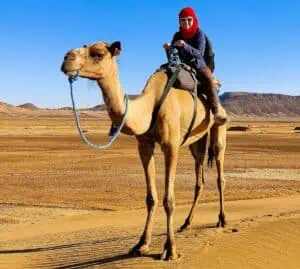
I did this when I went out to the Sahara, and it saved me a ton of money. Plus, I got to meet some pretty cool people too.
My advice: Don’t automatically book a guide or driver for your entire trip. Look at your itinerary first and decide where local expertise or private transportation would actually make your trip easier.
6. Know How to Get Around Morocco

Getting around Morocco is generally pretty straightforward once you understand your options.
For longer journeys between major cities, trains are often the easiest option. Morocco’s rail network connects many popular destinations, including Marrakech, Casablanca, Rabat, Fes and Tangier.
There are also CTM and other long-distance buses, which can be useful for destinations that aren’t served by train.
For shorter journeys, taxis/grand taxis are common, and private transfers can be useful when public transportation isn’t convenient.
For example:
- Marrakech → Casablanca: Train
- Marrakech → Rabat: Train
- Marrakech → Fes: Train
- Marrakech → Essaouira: Bus (Supratours)
- Fès → Chefchaouen: Bus
- Marrakech → Sahara: Usually a tour or private vehicle (you can take a bus to Merzouga and M’hamid, but then you can’t make any stops along the way, and Ait Benhaddou is pretty cool, as is Dades/Todra Gorge)
Don’t assume that every destination is easily connected by train just because it’s a popular tourist destination. Some places require a bus, taxi, or private transfer for the final portion of the journey.
A good example is Essaouira and Chefchaouen. Both cities are super popular and NOT serviced by trains.
Before booking your accommodation, look at how you’ll actually get from one destination to the next. Transportation can have a surprisingly big impact on how much time you have to enjoy your trip.
7. Don’t Assume You Need to Rent a Car

For most first-time visitors, renting a car isn’t necessary. If you’re sticking to Morocco’s major cities, you can usually get around using trains, buses, taxis, private transfers, and occasional organized tours.
This can save you the hassle of navigating unfamiliar roads, finding parking, and dealing with traffic.
A car can make sense if you’re planning a more independent road trip, especially if you want to visit smaller towns, remote areas, or scenic places that aren’t well connected by public transportation.
However, I’d think carefully about where you’ll actually be driving. Driving in busy cities like Marrakech or Casablanca can be stressful, and parking near medinas can be difficult.
If you’re planning to rent a car, make sure you understand the rental company’s requirements and insurance coverage before you arrive.
Don’t rent a car simply because you assume you need one. Look at your itinerary first. For many Morocco trips, public transportation and occasional private transfers are more than enough.
8. Understand How Long Transportation Really Takes

One of the biggest mistakes I see travelers make when planning a Morocco itinerary is underestimating travel time.
A destination might look relatively close on a map, but roads can be winding, buses make stops, and getting from your accommodation to the station or bus terminal can be in a journey in and of itself.
For example, a journey that is technically only a few hours can easily take up most of your day once you factor in getting to the station, waiting for your departure, the journey itself, and getting to your next accommodation.
This is especially important when planning trips to places like the Sahara Desert, Chefchaouen, or smaller towns where transportation options are more limited.
I recommend treating longer travel days as actual travel days rather than trying to squeeze a full day of sightseeing around them.
And don’t forget to account for your luggage. Moving from one riad to another, finding your way through the medina, and getting to a bus or train station can take longer than you expect.
When planning your itinerary, look at the door-to-door travel time, not just the journey time shown on Google Maps or a train/bus schedule. This will give you a much more realistic idea of how much time you’ll actually have in each destination.
9. Download Offline Maps Before You Arrive
I highly recommend downloading offline maps before your trip to Morocco. This is particularly useful when you’re staying in a riad inside a medina, where streets can be confusing, and your phone’s GPS isn’t always strong enough to show you the direction you need to walk.
Before you leave your hotel or riad, download the area you’ll be visiting so you can still navigate if you lose your internet connection.
I also recommend saving:
- Your accommodation’s exact location
- Train and bus stations you’ll be using
- Restaurants or attractions you definitely want to visit
- Any addresses you’ll need for taxis
And keep your accommodation address handy, preferably written down as well as saved on your phone.
If you’re staying in a riad, having the name and address available makes it much easier to ask for directions or show a taxi driver where you’re going.
Just do yourself a solid and don’t wait until you’re standing in the middle of a medina trying to figure out where you are. Download your maps BEFORE you arrive and save the places you’ll need ahead of time.
Money, Shopping & Everyday Practicalities
10. Carry Cash

You should always have some Moroccan dirhams (MAD) with you when traveling around Morocco.
Credit and debit cards are widely accepted at hotels, larger restaurants, supermarkets, and many businesses in tourist areas, but you can’t rely on your card everywhere.
Smaller restaurants, cafés, taxis, market stalls and shops may only accept cash. I recommend keeping some cash in your wallet and carrying a little extra when you’re heading somewhere more rural or spending the day away from your riad.
ATMs are widely available in cities and tourist destinations because MAD is a closed currency and is usually not available abroad. And yes, I know there are some exceptions to this rule.
Anyway, moral of the story? Just make sure you have enough cash for the day.
A few things to keep in mind:
- Carry smaller bills and coins whenever possible.
- Keep your cash somewhere secure.
- Don’t rely exclusively on your phone or bank card.
- Check with your bank about foreign transaction and ATM fees before your trip.
- I use a Charles Schwab card (no fees), but the best ATM to use for no foreign transaction fees is Al-Barid Bank, which is associated with the post office.
Generally, have enough dirhams on hand for taxis, small purchases, cafés, and other everyday expenses, even if you plan to pay by card for most of your bigger purchases.
11. Learn How Haggling Works

Haggling is a normal part of shopping in many Moroccan souks and markets. But you don’t need to negotiate over absolutely everything.
If you’re shopping for souvenirs, clothing, rugs, leather goods, or other items in a souk, the first price you hear may not be the final price.
Take your time, decide what you’re actually willing to pay, and don’t feel pressured to buy something just because you’ve started negotiating.
A few things make the experience easier:
- Ask the price before agreeing to buy.
- Have an idea of what you’re willing to pay before you start negotiating.
- Stay friendly and keep it light. Haggling doesn’t need to be an argument.
- Don’t negotiate if you’re not actually interested in buying.
- It’s okay to walk away if you can’t agree on a price.
- If you find something you love and the price seems reasonable to you, you don’t have to negotiate it down to the absolute lowest possible price.
And remember that haggling isn’t generally expected at supermarkets, established restaurants, cafés and regular stores with fixed prices.
Treat haggling as part of the shopping experience rather than something you need to “win.” If both you and the seller are happy with the final price, that’s a successful negotiation.
Want to Feel Confident Traveling in Morocco?
Get the practical safety advice I wish every first-time visitor had before their trip. I’ve lived in Morocco since 2023 and have spent years traveling around the country. I created this 26-page Morocco Safety Guide to give you practical, realistic advice for navigating Morocco confidently—from avoiding common tourist scams to knowing what to expect and how to handle situations that can catch first-time visitors off guard. No fear-mongering. No generic advice from someone who spent a week in Marrakech. Just practical tips from someone who actually lives here.
12. Keep Small Bills and Coins Handy
Having smaller Moroccan dirham notes and coins can make everyday travel much easier.
You’ll often need small amounts of cash for things like taxis, cafés, tips, snacks, public bathrooms, and small purchases.
Handing someone a large bill for a very small purchase can sometimes mean they don’t have enough change.
I recommend breaking larger notes whenever you have the opportunity and keeping some smaller denominations easily accessible. This is especially useful when you’re:
- Taking taxis (some like to give you incorrect change so exact change is great)
- Buying something from a small shop or market
- Paying for coffee or snacks
- Tipping
- Using public bathrooms
- Local buses
- Making small purchases in the medina
You don’t need to carry a huge amount of cash. Just try not to walk around with nothing but large bills.
Just keep a few small notes and coins in a separate part of your wallet so you can quickly pay for small expenses without having to dig through all your money.
13. Don’t Assume You Can Pay by Card Everywhere

Credit and debit cards are becoming increasingly common in Morocco, especially at hotels, larger restaurants, supermarkets, and businesses in major tourist destinations.
However, I wouldn’t rely on your card for every purchase. Smaller restaurants, cafés, taxis, market stalls and independent shops may only accept cash.
You may also run into situations where a card machine isn’t working, or a business has a minimum purchase amount for card payments.
That’s why I recommend having some Moroccan dirhams with you even if you prefer paying by card.
In general, use your card when it’s convenient, but always keep enough cash on hand to cover your everyday expenses. It will save you from having to search for an ATM when you’re hungry, trying to catch a taxi, or wandering around the medina.
14. Keep Your Accommodation Address Handy

This sounds like a small thing, but it can save you a lot of hassle in Morocco, especially if you’re staying in a riad inside a medina.
Many medinas have winding streets, similar-looking buildings, and pedestrian-only areas. So, finding your accommodation isn’t always as simple as having your taxi driver drop you off there.
Before heading out for the day, I recommend saving:
- Your accommodation’s name and address
- The location on your offline map
- A screenshot of the location
- The phone number, just in case you need to call
If you’re taking a taxi, having the address or location ready to show the driver is particularly helpful. And if your riad is difficult to find, ask the property beforehand where you should have the taxi drop you off.
Whatever you do, don’t rely on just remembering the name of your riad. Save the exact location on your phone and keep a screenshot available offline. It can make getting back to your accommodation much easier. Been there, done that.
Moroccan Culture & Etiquette
15. Learn a Few Words of Darija
You don’t need to become fluent in Moroccan Arabic (aka Darija) to travel around Morocco. But, learning a few basic words can make everyday interactions much easier. Plus, locals generally appreciate the effort and will probably be nicer to you.
A few useful phrases to know:
- Salam alaykum — Hello
- Shukran — Thank you
- Afak — Please
- Smah liya — Excuse me / I’m sorry
- La shukran — No, thank you
- Bslama — Goodbye
- Bshhal? — How much?
- Iyyeh — Yes
- La — No
You’ll also hear French frequently, particularly in cities. So, knowing a few French phrases can be helpful too.
That being said, French is NOT a national language, although it is widely spoken. Therefore, do NOT assume everyone knows French or wants to speak French. This is why knowing some Arabic is very important.
You don’t need perfect pronunciation. Even making an effort to say salam alaykum or shukran can make interactions feel a little warmer.
If you can, learn a handful of useful phrases before your trip and actually use them. You may be surprised by how often they come in handy. There are tons of YouTube videos you can use to practice your pronunciation.
16. Respect Moroccan Culture and Religion

Morocco is a Muslim-majority country, and being aware of local customs will make your trip more comfortable and help you avoid accidentally causing offense.
You don’t need to completely change the way you behave, but a little cultural awareness goes a long way.
A few things to keep in mind:
- Dress a little more conservatively when you’re away from beaches and major tourist areas.
- Be respectful when entering religious or culturally significant places.
- Avoid making jokes or disrespectful comments about Islam or the Moroccan monarchy.
- Be mindful of public displays of affection. PDA is generally not appropriate anywhere.
- During Ramadan, be aware that daily routines, restaurant hours, and the general rhythm of the day can be different. You also should NOT eat or drink in front of people who are fasting unless you are at a restaurant/hotel.
- When you’re invited into someone’s home, follow their lead regarding shoes, food and other customs. Generally, though, you will be expected to take your shoes off.
- Do NOT take photos of people without permission.
- Ask before going into a mosque because they are generally off-limits to non-Muslims.
Just remember that Morocco isn’t all the same. You will encounter a wide range of lifestyles in Morocco, particularly in cities like Marrakech, Casablanca and Essaouira. So, don’t worry about following a long list of complicated rules.
Instead, be observant, respectful, and willing to adapt. If you’re unsure about a particular custom, it’s usually better to watch what people around you are doing and follow their lead.
17. Know When to Remove Your Shoes

If you’re invited into someone’s home in Morocco, you may be expected to remove your shoes before entering.
This is particularly common when entering a traditional home, and you may also encounter it at some accommodations or religious and cultural spaces. For example, you will probably need to take your shoes off before entering a mosque.
If you’re unsure, simply look around or ask. Your host will usually make it clear what they expect.
This is one reason I recommend wearing shoes that are easy to slip on and off, especially if you’re staying in traditional accommodations or visiting someone’s home.
My advice: When you’re entering a home or another space where shoes might not be appropriate, take a moment to see what everyone else is doing. When in doubt, ask.
18. Ask Before Taking Photos of People

It’s easy to get caught up taking photos when you’re exploring Morocco, especially in busy souks and medinas. But remember that the people around you aren’t tourist attractions.
If you want to take a close-up photo of someone, ask first. A simple gesture or “Can I take your photo?” is usually enough.
Be particularly respectful around:
- People working in markets and shops
- Children
- Religious sites and ceremonies
- Police, military personnel and government buildings
- People who are clearly trying to avoid being photographed
You’ll also encounter people who may be happy to pose for a photo, particularly in tourist areas. Just don’t assume that means everyone wants to be photographed.
As a rule, if someone is the main subject of your photo, ask permission first. It takes a few seconds and is a much more respectful way to photograph people while traveling.
19. Understand Moroccan Dining Etiquette

Moroccan meals can be a little different from what you’re used to, but there’s no need to overthink it.
If you’re eating a traditional Moroccan meal, you may be served communal dishes that everyone shares. In that situation, it’s customary to eat from the area of the dish directly in front of you rather than reaching across the entire plate.
You’ll also often see people eating with bread rather than utensils. If you’re comfortable doing this, use your right hand to eat. If you’d rather use a fork or spoon, that’s completely fine in most restaurants.
A few other things to know:
- Wash your hands before and after a traditional meal when facilities are provided.
- If someone offers you Moroccan tea, you don’t necessarily need to finish the entire glass.
- Don’t be surprised if meals are served at a slower pace than you’re used to.
- In more traditional settings, follow the lead of your host or the people you’re dining with.
And if you’re vegetarian, don’t be afraid to ask questions about ingredients. Morocco has plenty of vegetarian dishes, but it’s worth confirming what’s actually in a dish rather than assuming.
Overall, relax and enjoy the experience. Moroccan food is a huge part of the culture, and meals are often meant to be social rather than rushed.
20. Don’t Worry If You Get Lost in the Medina
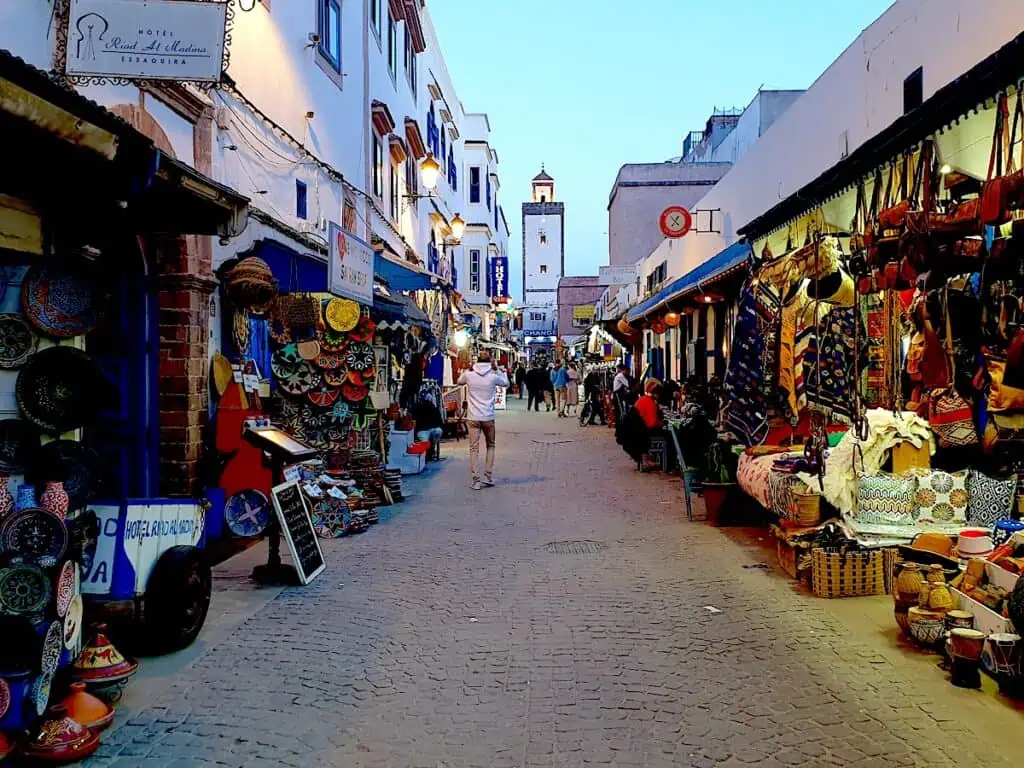
Getting lost in a Moroccan medina is practically part of the experience and basically a rite of passage.
The narrow streets can be confusing, especially in larger medinas like Marrakech and Fes, and Google Maps isn’t always perfect when you’re dealing with pedestrian-only streets.
Instead of stressing about taking a wrong turn, give yourself some extra time to wander. You may stumble across a beautiful courtyard, small shop, café, or street that you would have completely missed if you were following a strict route.
That said, don’t feel obligated to follow someone who offers to guide you just because you’ve gotten turned around. If they are super pushy this usually means it’s a scam.
If you genuinely need help, ask your accommodation or a reputable local guide for directions.
A few things that help:
- Download your area for offline use.
- Save your riad or hotel’s location.
- Take a screenshot of the route to your accommodation.
- Give yourself extra time when you’re trying to be somewhere at a specific time.
- If you’re completely lost, head toward a recognizable main street or landmark and reorient yourself.
Remember, getting a little lost isn’t a disaster. Some of my favorite moments have come from simply wandering around and seeing where a street takes me. Just make sure you know how to find your way back.
Food, Drinks & Daily Life
21. Know the Rules Around Alcohol

Alcohol in Morocco is available, but you shouldn’t assume that every restaurant, café or shop serves it.
You’ll find alcohol at many international hotels, licensed restaurants, bars and some supermarkets, particularly in larger cities and tourist destinations. However, availability varies considerably depending on where you’re staying.
If having a drink with dinner is important to you, check the restaurant’s menu or website ahead of time rather than assuming it will be available.
It’s also worth remembering that Morocco is a Muslim-majority country, so alcohol isn’t part of everyday life in the same way it is in many Western countries. Be respectful of where and how you drink, particularly outside tourist-oriented areas.
During Ramadan, alcohol availability and opening hours can also be different from normal.
Overall, if you want to drink alcohol during your trip, plan ahead. Look for licensed restaurants, hotels, and bars rather than assuming you’ll be able to order alcohol everywhere.
You can also ONLY drink in places that serve alcohol (not in public, but in your home is fine) and should check before bringing alcohol into a private riad that doesn’t serve it. Additionally, never appear to be visibly drunk in public.
22. Drink Mint Tea

Moroccan mint tea is much more than just a drink. It’s an important part of Moroccan hospitality and social life.
You’ll probably be offered tea several times during your trip, whether you’re staying in a riad, shopping in a souk, visiting someone’s home, or sitting down for a meal.
Traditional Moroccan tea is usually made with green tea, fresh mint, and plenty of sugar. It’s often poured from a height into small glasses, which is part of the traditional preparation.
If you’re offered tea, I’d recommend trying it at least once. Even if you don’t normally drink sweet tea, it’s one of those experiences that’s worth having while you’re in Morocco.
And if you don’t want sugar, you can always ask for it with less sugar or without sugar.
My advice: Don’t turn down every glass of mint tea just because you’re not a tea person. It’s one of the easiest ways to experience Moroccan hospitality, and you may end up loving it.
I wasn’t a “tea person” before I moved to Morocco, and now I love it and make it all the time.
23. Be Smart About Drinking Water
For most travelers, I recommend sticking to bottled or properly treated water if you’re unsure whether the local tap water agrees with you.
Bottled water is easy to find throughout Morocco, but you can also travel with a reusable bottle and fill it with filtered or otherwise safe drinking water.
A few simple things can help you avoid stomach problems:
- Buy sealed bottles from reputable shops.
- Make sure the bottle’s seal is intact.
- Use bottled or safe water when brushing your teeth if you’re sensitive to changes in water.
- Be cautious with ice if you’re unsure what water was used to make it.
- Stay hydrated, particularly when you’re spending hours walking around in the heat.
You don’t need to be paranoid about every drop of water you encounter. I drink the tap water in Essaouira and Marrakech and am totally fine.
But water quality varies by location. So, if you’re unsure, bottled or filtered water is the simplest choice.
And if you have a sensitive stomach or you’re visiting Morocco for the first time, stick with bottled or filtered water and stay well hydrated. Better to be safe than puking over your toilet.
24. Be Prepared for Moroccan Bathrooms
Moroccan bathrooms can be a little different from what you’re used to, particularly in smaller restaurants, public bathrooms, and less touristy areas.
You may encounter squat toilets, although Western-style toilets are common in most tourist areas.
To make things easier, I recommend carrying a small pack of tissues or toilet paper and some hand sanitizer with you. Public bathrooms don’t always have everything you might expect.
You may also encounter a small water hose or container of water instead of toilet paper. This is a normal part of bathroom practices in Morocco and other parts of the region. Just use it to help flush the water in the toilet.
A few things I always recommend carrying:
- Tissues or a small roll of toilet paper
- Hand sanitizer
- A small packet of wet wipes
And if you’re using a squat toilet for the first time, don’t panic. They’re easy enough to figure out once you see one.
So, keep a small bathroom kit in your day bag. You probably won’t need it everywhere, but you’ll be very glad you have it when you do need it.
Marrakech & Accommodation
25. Know What to Expect in Marrakech
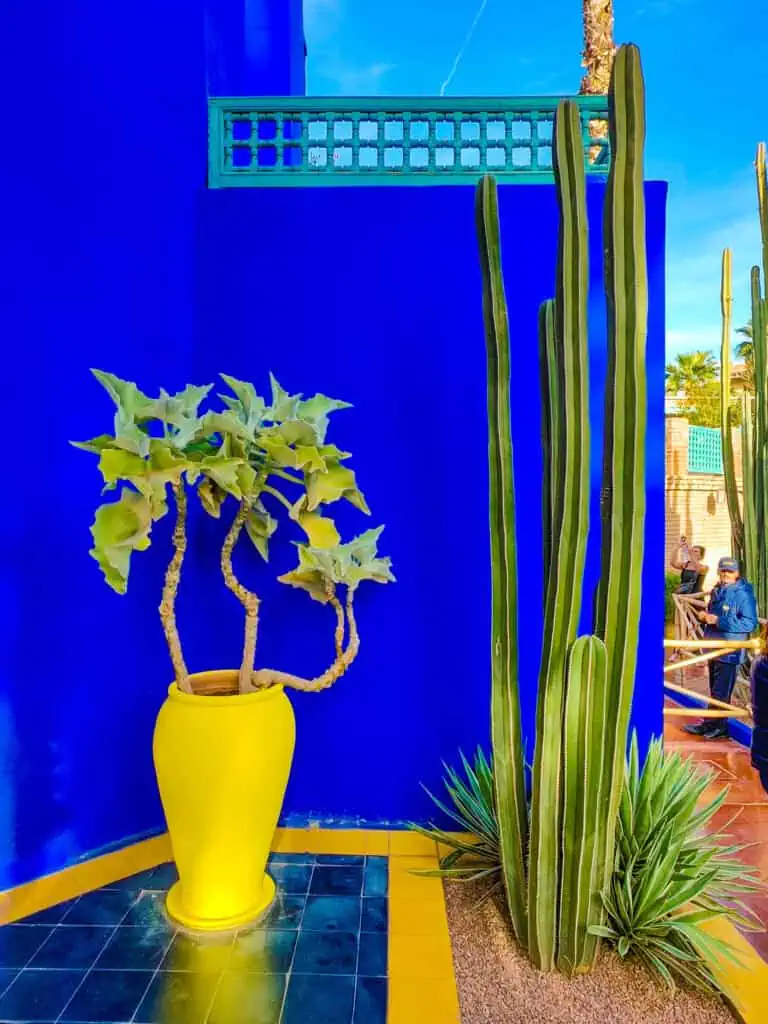
Marrakech is one of Morocco’s most popular destinations for a reason, but it can also be busy, chaotic and overwhelming, especially if it’s your first time visiting.
The medina is full of narrow streets, shops, restaurants, riads and people moving in every direction. You’ll encounter scooters, donkeys, carts and plenty of activity, sometimes all on the same street.
My biggest advice is to embrace the chaos rather than expecting Marrakech to feel calm and organized.
Give yourself time to adjust, especially if you’re arriving from a quieter destination. You don’t need to spend every minute sightseeing, either.
One of my favorite things to do in Marrakech is simply slow down at a rooftop café, wander through the souks, or spend some time relaxing at your riad.
It’s also worth remembering that Marrakech isn’t representative of all of Morocco. The atmosphere can feel very different in places like Essaouira, Chefchaouen, Fes, Tangier, or smaller towns.
Try to give Marrakech a couple of days to sink in. Don’t try to see everything at once, and build some downtime into your itinerary. The city is much easier to enjoy when you’re not constantly rushing from one attraction to the next.
26. Consider Staying in a Riad

Staying in a traditional Moroccan riad can be one of the most memorable parts of your trip.
FYI, riads are traditional homes built around an interior courtyard, and many have been converted into small hotels or guesthouses. They’re particularly common in the medinas of Marrakech and Fes.
Unlike a typical hotel, a riad often feels much more intimate. You might have a small number of rooms, a central courtyard, a rooftop terrace, and breakfast served in a beautiful traditional setting.
There are a few things to keep in mind, though:
- Many riads are tucked away inside pedestrian-only medinas.
- Check that you are not next to a mosque since the call to prayer can wake you up VERY early in the morning.
- Your taxi may not be able to drop you off directly at the door.
- Rooms can vary considerably in size and layout. Many can be small.
- Most don’t have elevators and can be drafty.
- Book a few months in advance since many riads don’t have a ton of rooms and book up quickly.
- Reviews are particularly important when choosing a riad.
- Service is top-notch and very personalized since they have fewer guests.
I also recommend checking the location carefully before booking. A beautiful riad that’s a 20-minute walk through winding streets with your luggage may not be as appealing as it sounds.
If you can, stay in a riad at least once if you want a more traditional Moroccan experience. But choose one based on both the property and its location.
27. Tipping in Morocco
Tipping is common in Morocco, particularly in restaurants, cafés, hotels, and for services such as guides, drivers, and porters.
You don’t need to tip huge amounts, but having some small bills and coins available makes things easier.
As a general rule, you can consider tipping:
- Restaurants: Around 10% if service isn’t already included.
- Cafés: A small amount for table service. Usually a couple extra Dirhams.
- Guides and drivers: An amount that reflects the length and quality of the service. I try to tip 30 Dirhams per day.
- Hotel staff: A small tip for helpful service or carrying luggage
- Hammam staff: A small tip is customary if you’ve received a service.
Tipping in Marrakech and Morocco isn’t about following an exact formula. If someone provides particularly helpful service, you can always give a little extra.
And don’t feel pressured to tip every person you interact with. A tip is generally for good service, not an automatic fee for existing.
Therefore, keep some small Moroccan bills and coins handy throughout your trip. That way, you’re prepared when you want to thank someone for good service.
Remember, many Moroccans make significantly less than you do. So, if you enjoy your service, please tip well. Trust me, they will really appreciate it.
Traveling During Ramadan

If you’re traveling to Morocco during Ramadan, don’t automatically rule it out. It can actually be a fascinating time to visit, but you should expect daily life to look a little different.
During Ramadan, Muslims fast from dawn until sunset. This means that restaurant hours, business hours and daily schedules can change, particularly in smaller towns and less touristy areas.
A few things to keep in mind:
- Some restaurants and cafés may open later or have different hours.
- This is the holiest month of the year in Morocco so please be respectful.
- Many restaurants become much busier around sunset when people gather for iftar, the evening meal that breaks the fast.
- The clocks change by an hour that month to make fasting easier.
- Ramadan is usually around 2 weeks earlier than the year before.
- Shops and businesses may have shortened hours or hours later in the day.
- Some attractions and tours may adjust their schedules.
- The atmosphere can become particularly lively after sunset, when people are out eating and socializing.
- You may see people resting more during the hottest part of the day.
- If you drink alcohol, plan ahead during Ramadan. Many hotels, restaurants, stores, and bars may stop serving alcohol during the month. So, check ahead if having a drink is important to you.
As a visitor, you aren’t expected to fast. However, it’s a good idea to be discreet about eating, drinking, and smoking in public during daylight hours. I generally try not to do any of these in public during fasting hours.
I’d also recommend checking opening hours shortly before visiting a restaurant or attraction rather than relying on an old Google listing or blog post.
If you travel during Ramadan, adjust your schedule rather than fighting it. Have a slower morning, plan around changing opening hours, and experience an evening iftar if you get the opportunity.
It can be a really memorable part of traveling in Morocco and is a magical time to visit since you get to embrace more of the local culture.
A Note About the “Western Sahara”

If you’re planning to travel to Western Sahara, it’s worth knowing that the territory’s political status is disputed. Morocco administers much of the territory, but its sovereignty over Western Sahara is not universally recognized.
For travelers, the practical takeaway is simply to check current travel advice and local conditions before visiting, particularly if you’re planning to travel far south.
The reality is that the area is currently, technically within the bounds of Morocco. So, you do not need a separate visa to enter or a passport to visit this part of the country.
However, you will see the “Western Sahara” territory marked on Google Maps, which is why I brought it up the first time I was in Morocco.
I quickly learned that it’s a very sensitive issue for both parties involved. So, best not to mention “Western Sahara” and just mention the city you are going to instead if you are visiting this part of the country.
Frequently Asked Questions About Traveling to Morocco
Is Morocco safe for tourists?
Morocco is a popular destination for tourists, and millions of people visit each year. As with any destination, use normal travel precautions, keep an eye on your belongings, and stay aware of your surroundings, particularly in crowded areas.
What should I wear in Morocco?
You don’t need to completely change your wardrobe, but dressing somewhat conservatively is a good idea, particularly outside major tourist areas. Lightweight pants, longer skirts or dresses, breathable tops and a lightweight scarf are all good options.
Do I need cash in Morocco?
Yes. While cards are accepted at many hotels, restaurants, supermarkets and larger businesses, you’ll still encounter plenty of places that accept cash only. It’s a good idea to carry some Moroccan dirhams in smaller denominations.
Do I need a guide in Morocco?
Not necessarily. You can easily travel independently in many parts of Morocco, but a guide can be helpful for exploring large medinas or learning more about Moroccan history and culture. A private driver can also be useful for destinations that aren’t well connected by public transportation.
Can I drink alcohol in Morocco?
Yes, alcohol is available at many licensed hotels, restaurants, bars and other establishments, particularly in larger cities and tourist areas. However, it isn’t available everywhere. So, check ahead if drinking is important to your plans.
Can I drink the tap water in Morocco?
Water quality varies by location, and many locals, like me, drink tap water. However, if you’re concerned about stomach issues or you’re not used to the local water, bottled or properly filtered water is the simplest option.
Is Morocco expensive to visit?
Morocco can accommodate a range of travel budgets. Your costs will depend heavily on your accommodation, transportation, activities, and where you eat.
You can travel relatively affordably, while luxury riads, private tours and high-end restaurants can make a trip considerably more expensive.
How many days do I need in Morocco?
There’s no single ideal length of trip, but I’d recommend at least a week for a first visit. With more time, you can explore several destinations without spending most of your trip traveling between them.
What is the best time to visit Morocco?
Morocco can be visited throughout the year, but spring and fall are particularly popular because temperatures are generally comfortable for sightseeing. The best time ultimately depends on where you’re going and what you want to do.
Conclusion
Morocco is an incredible country to explore, but knowing what to expect before you arrive can make your trip much easier.
Don’t worry about doing everything perfectly. Leave some room to wander, try new foods, talk to locals, and experience the country at your own pace.
I’ve made plenty of mistakes while traveling around Morocco, and that’s part of how I learned what actually makes a trip here easier.
I hope these Morocco travel tips help you avoid a few of those mistakes and have an amazing time exploring the country.
Now it’s time to start planning your Morocco adventure! 🇲🇦
If you enjoyed this post, be sure to join our email list and Facebook group for even more awesome Morocco travel advice.
Finally, please consider buying me a coffee. It’s a great way to say “thank you” for all the free content you receive. No amount is too small and anything you can give will be greatly appreciated.


For the tips, do you mean that 100-200 Dirham per day per person or per group?
That’s per group. If it’s a big group I would tip the driver a bit more.
Hi, thanks for the tips. Really great article with lot of useful information.
Do you have any tips on tours in the Atlas mountain. I’m going with my partner at the end of october and we are planning to do a 3day trip. Is there any tour you really recommend?
Where is the best to book it?
Thnaks in advance,
Máté
Hey. I have a whole post about Atlas Mountains tours from Marrakech but most are day tours. But, companies are listed so you can reach out to them and see if you can arrange a tour to Mt. Toubkal or wherever you would like to go.